
Introduction: Beyond the Hype Cycle
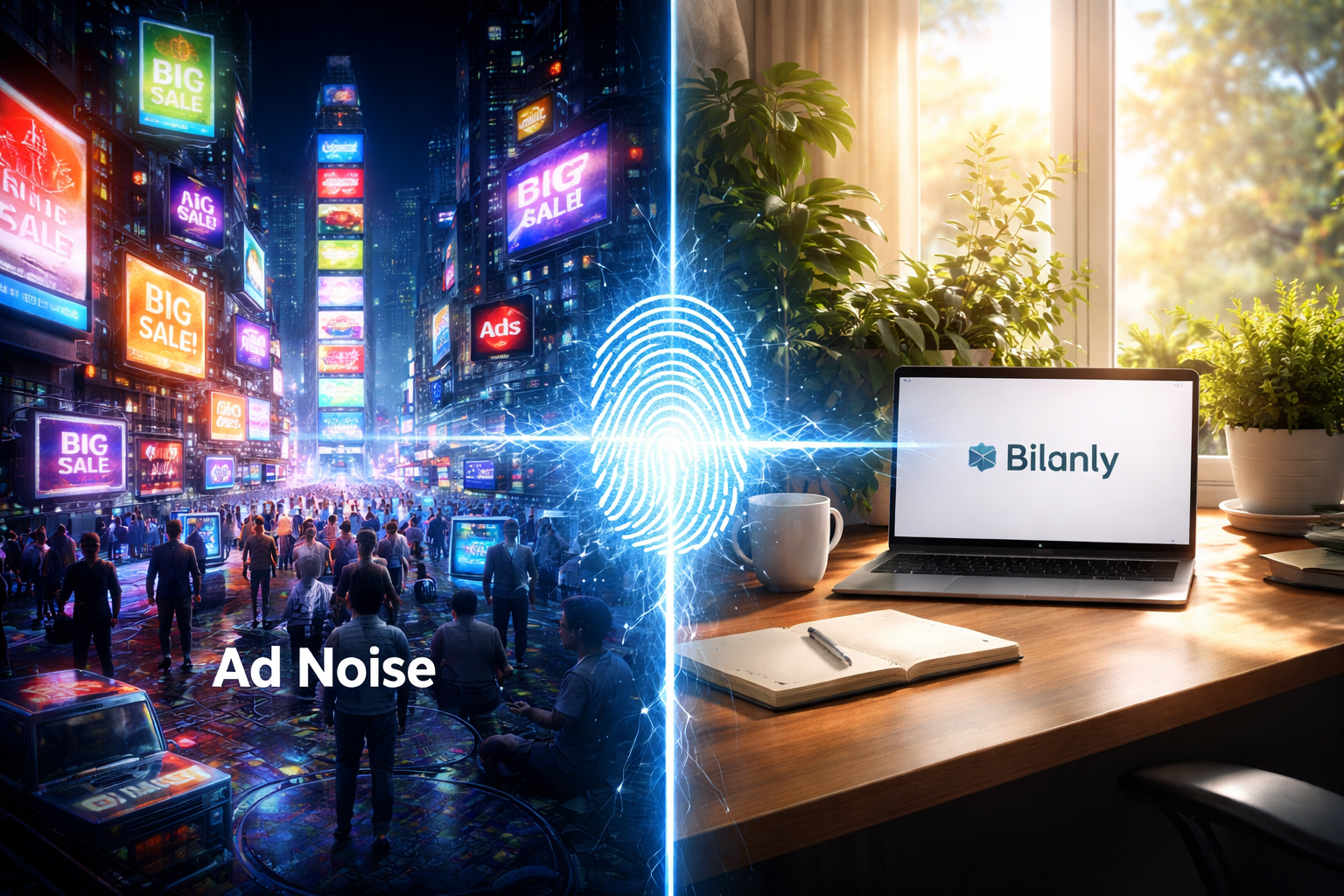
In the early 2020s, technology felt like a series of loud, flashy explosions—NFTs, Metaverse hype, and the sudden arrival of chatbots. But as we move through 2026, the era of “tech for the sake of tech” is over. At Bilanly, we call this the Era of Integration.
The most significant tech trends today aren’t the ones you see on billboards; they are the “invisible” layers quietly weaving into our daily lives. The conversation has shifted from “What can this machine do?” to “How does this machine make my life more intuitive?” Let’s dive deep into the seven pillars defining our world right now.
1. Ambient Computing: The End of the “Screen” Obsession
For over a decade, our lives were dictated by glowing rectangles in our pockets. In 2026, we are witnessing the rise of Ambient Computing. This is the concept that technology should be everywhere, yet nowhere—working in the background without requiring constant manual input.
Through advanced voice recognition, gesture control, and smart surfaces, our environments are becoming “aware.”
- The Smart Home 2.0: Your home now recognizes stress levels via biometric sensors and adjusts lighting or acoustics accordingly.
- Zero-UI: We are moving away from “using” devices and toward “living within” an intelligent ecosystem.
2. The Sovereignty of Personal AI Agents
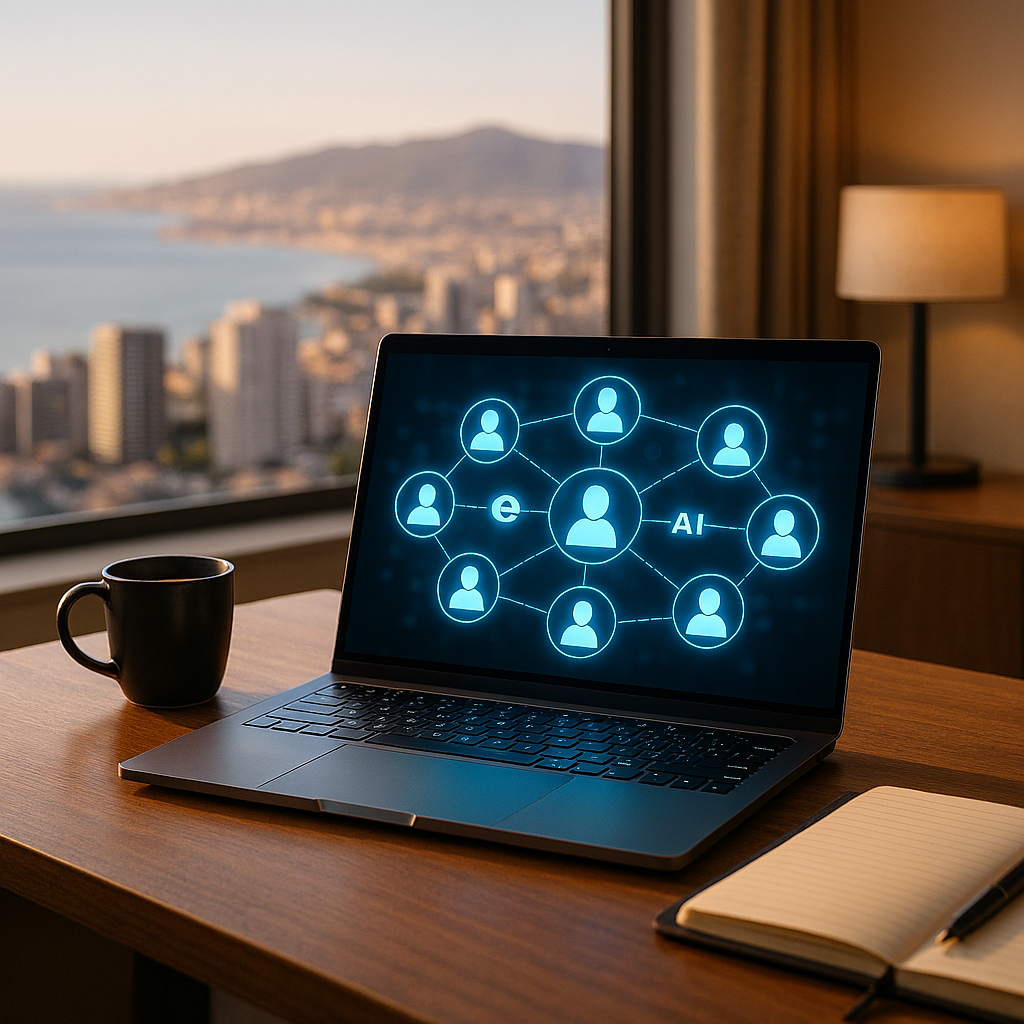
We have moved past the era of generic chatbots. In 2026, the trend is Personal AI Agents. Unlike standard models, these agents are trained on your specific data, ethics, and preferences.
What a Personal Agent does for you:
- Negotiation: It can autonomously negotiate your internet or insurance bills.
- Filter: It acts as a digital gatekeeper, only showing emails that require human critical thinking.
- Edge AI: Crucially, this processing happens on your device (Edge Computing), not in a corporate cloud. This ensures the privacy that we prioritize at Bilanly.
3. Sustainable Tech: The Neuromorphic Breakthrough
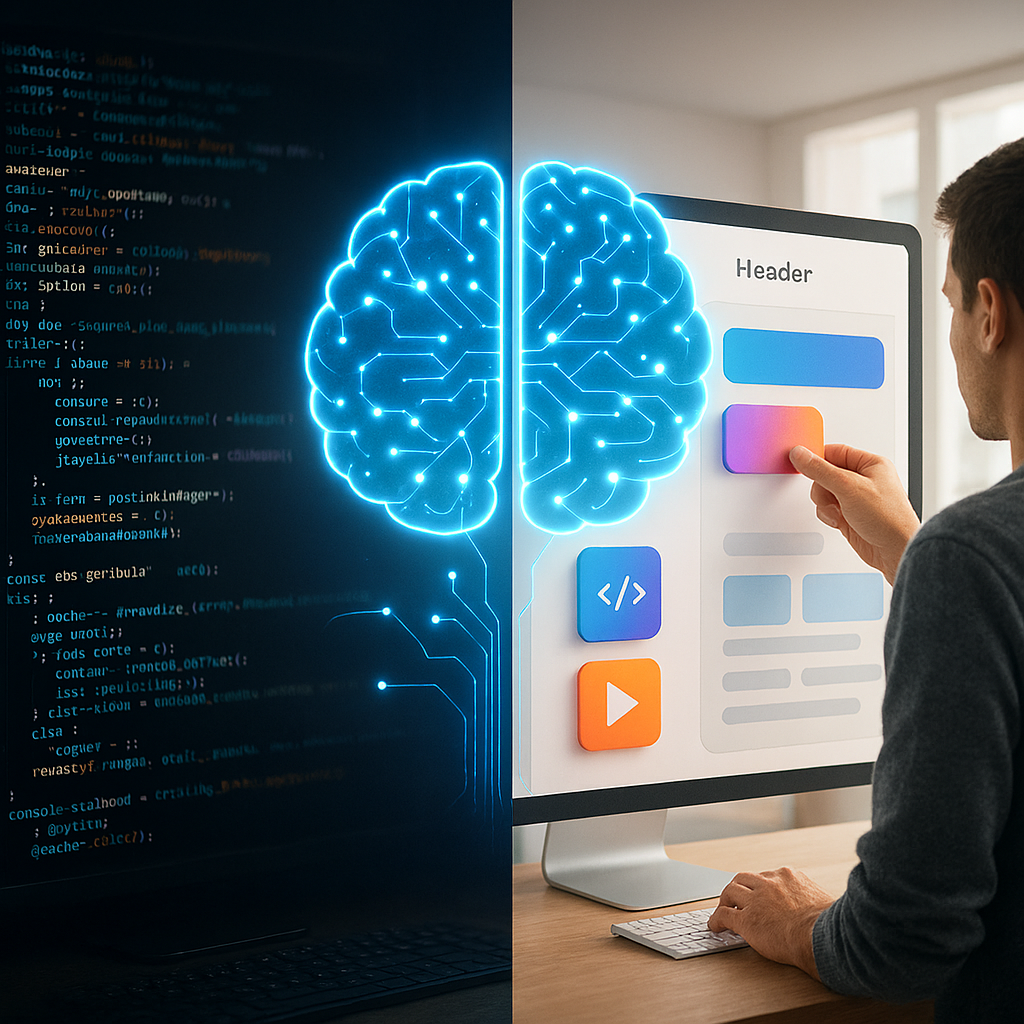
In 2026, “Green Tech” is a survival requirement. The massive energy consumption of legacy AI data centers led to the adoption of Neuromorphic Computing—chips designed to mimic the human brain’s efficiency.
- Efficiency: These chips require a fraction of the power of traditional silicon.
- Circular Hardware: Smartphones and laptops are now designed for user disassembly and upgrades, effectively ending the era of planned obsolescence.
4. Biotech Convergence: From Tracking to Prediction
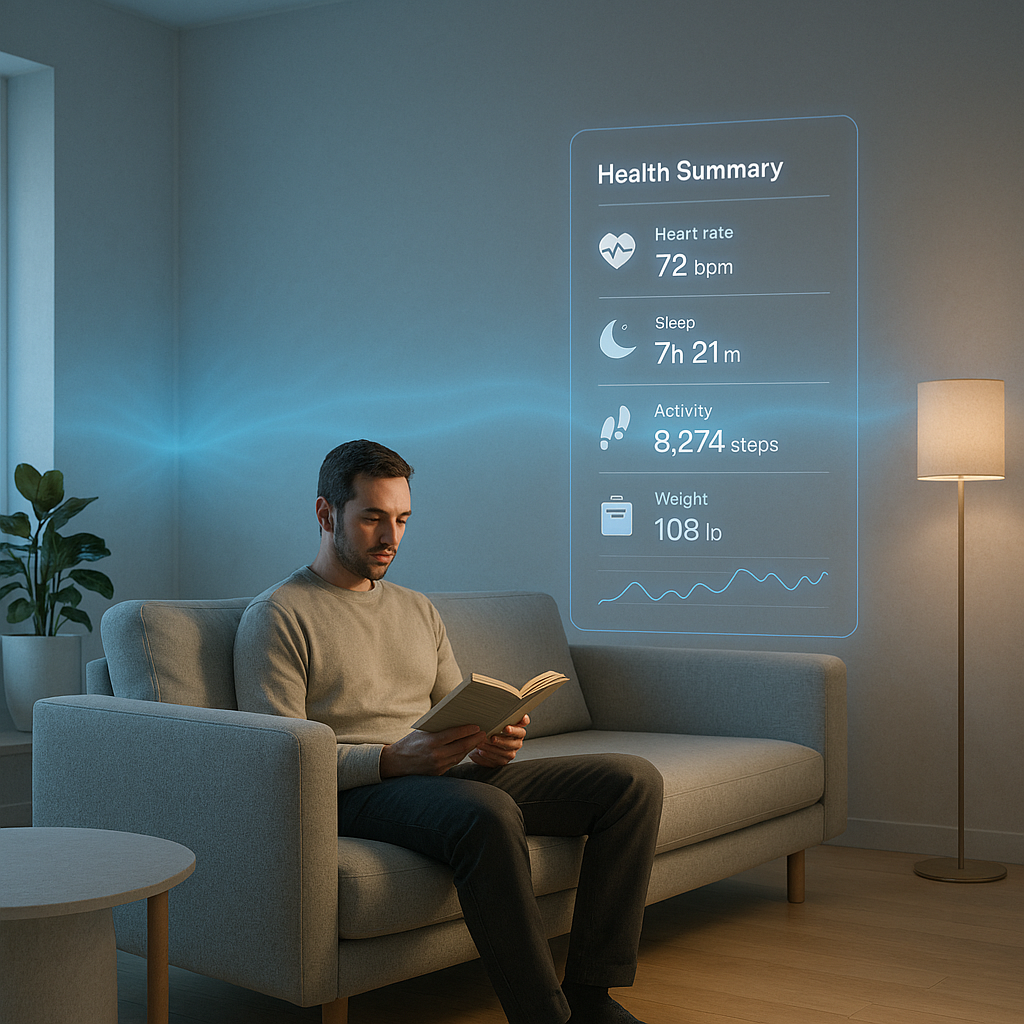
Wearables have evolved from simple fitness trackers to Predictive Health companions. We are seeing tech move under the skin or into smart contact lenses.
- Real-time Bio-analysis: Modern wearables analyze blood glucose, cortisol, and heart rate variability to warn you of illness days before symptoms appear.
- Biological Companions: Technology is no longer an external tool; it is becoming an integrated part of our biology.
5. Web3 & Digital Trust: The Truth Layer
After the speculative bubbles, decentralized technology has found its true purpose: Provenance. In a world of deepfakes, the blockchain acts as a “Truth Layer.”
- Verification: Verifying the authenticity of news videos or digital contracts.
- Identity: Giving users back control of their digital identity without relying on centralized tech giants.
6. Spatial Computing: Blurring the Boundaries
With lightweight AR (Augmented Reality) glasses, spatial computing has gone mainstream.
- Professional Use: Mechanics use AR to see internal engine parts; students walk through ancient Rome.
- Virtual Offices: Remote workers now sit in virtual spaces that feel as real as physical ones, reducing the need for massive office buildings in city centers like Mogadishu or London.
7. Cyber-Resilience in a Post-Quantum World
As an engineer, this is the most critical trend. As quantum computing nears reality, the race for Post-Quantum Cryptography is on.
- Self-Healing Systems: The goal is no longer just blocking attacks, but building systems that can “self-heal” while under a cyber-offensive.
- Data Sovereignty: Protecting the world’s most targeted resource—your data.
Conclusion: A Human-Centered Future
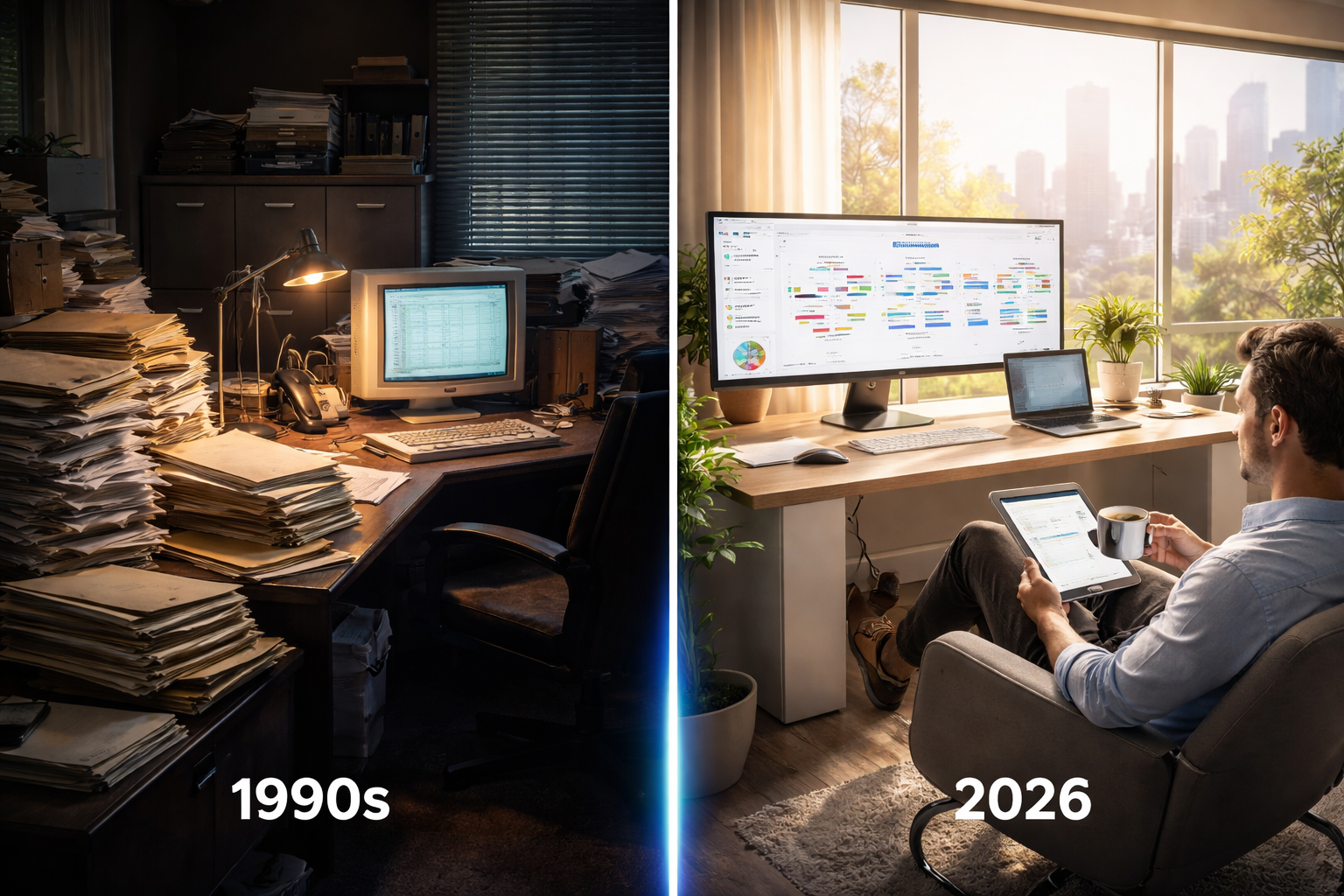
The most profound tech trend of 2026 isn’t a gadget; it’s the return to Human-Centricity. After years of digital noise, we are using technology to reclaim our time.
The goal of modern tech is no longer “engagement” (addiction). The goal is to solve a problem so efficiently that the technology disappears. At Bilanly, we believe the companies that will win are those that respect your privacy, enhance your biology, and protect your attention.