
Introduction: The New Competitive Edge
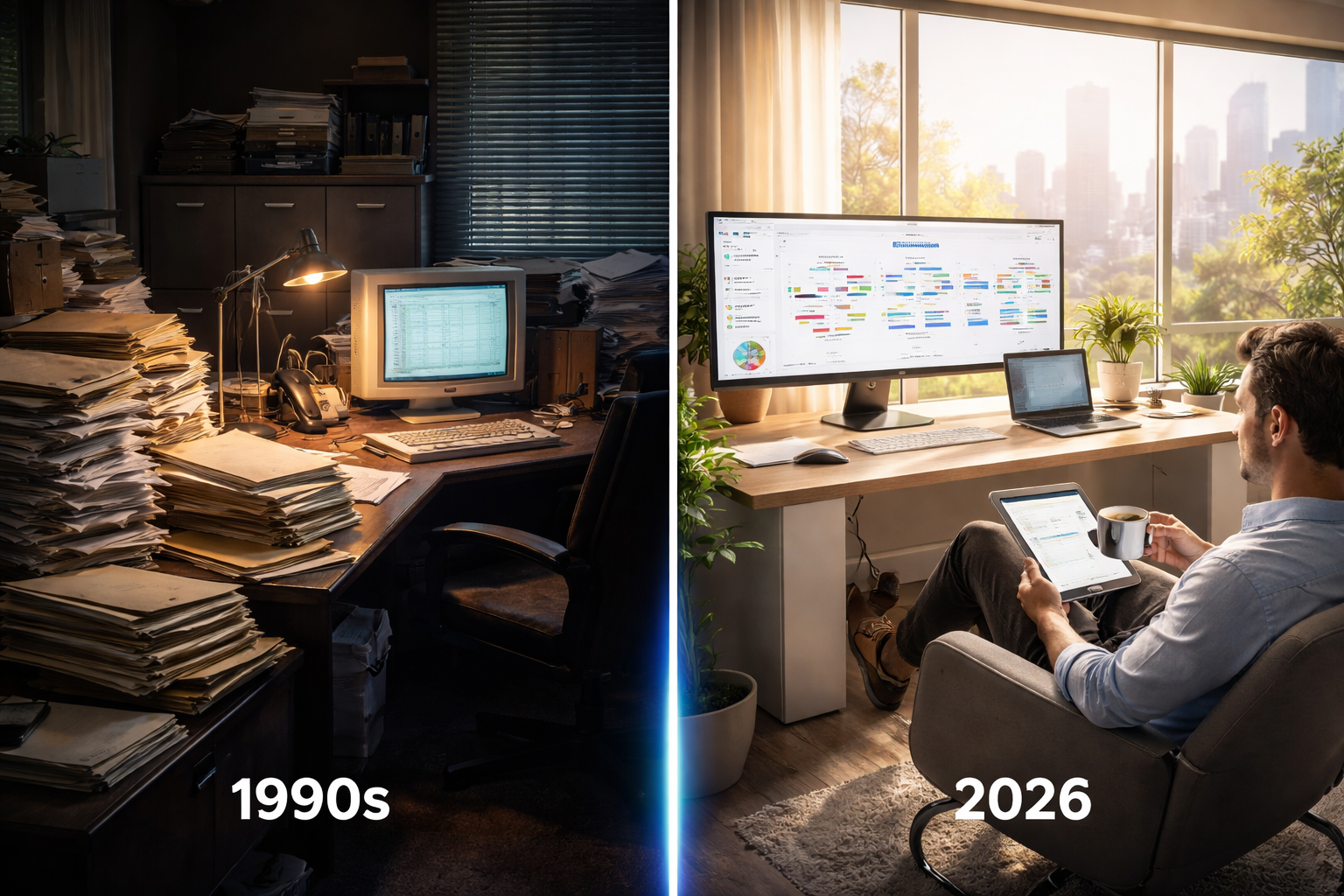
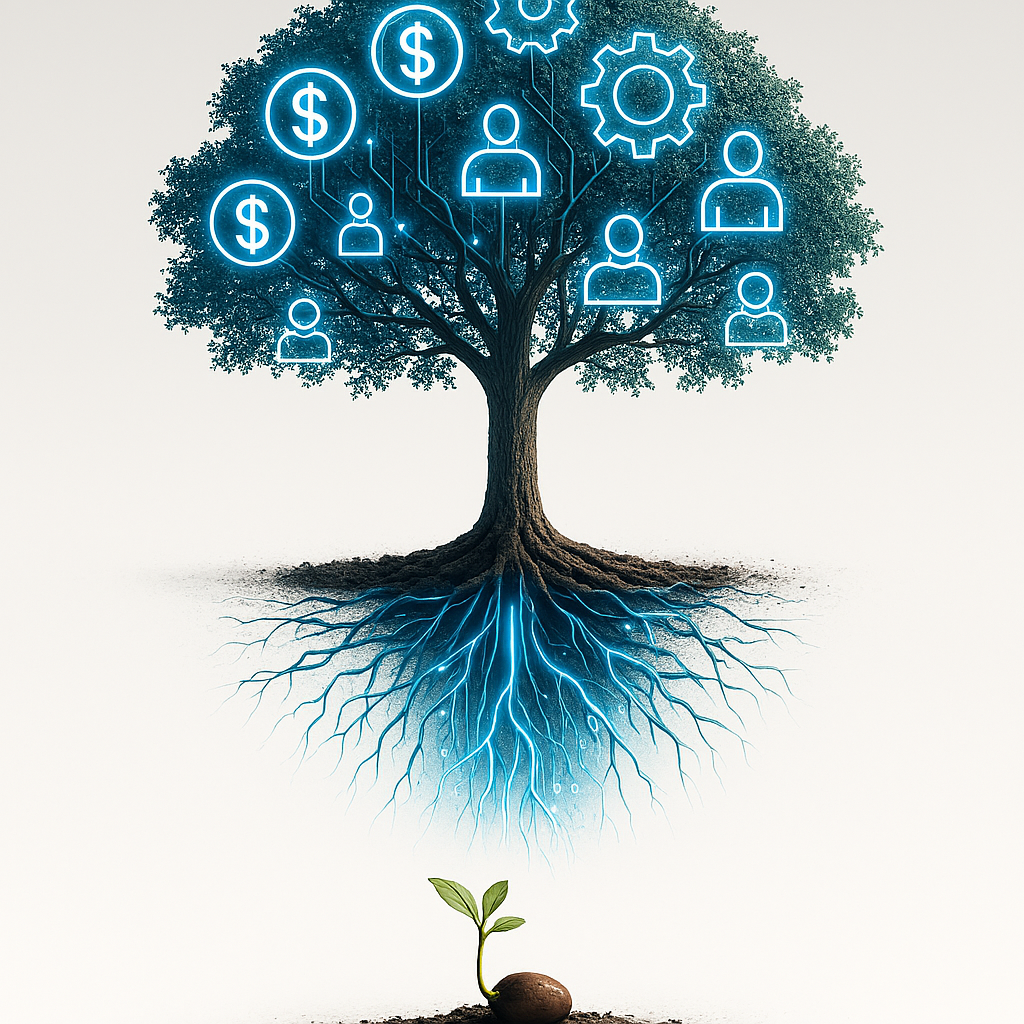
In 2026, Artificial Intelligence has moved beyond being a “cool tool” to becoming the very engine of business scalability. For entrepreneurs and established companies alike, the question is no longer “Should we use AI?” but “How fast can we integrate it?” At Bilanly, we’ve seen that scaling a business used to require a massive increase in headcount and physical infrastructure. Today, scaling is about Efficiency-First Growth. This article explores how AI is revolutionizing operations, customer acquisition, and strategic decision-making, allowing small teams to achieve results that previously required billion-dollar corporations.
1. Generative AI in Creative Operations: Scaling the “Brand Voice”
The most visible shift in 2026 is in content and creative production. In the past, scaling a marketing campaign meant hiring dozens of copywriters. Today, AI-augmented creative teams use “Model Fine-Tuning” to teach an AI their brand’s specific voice.
- Hyper-Personalization: AI can now generate 10,000 versions of a single ad, each tailored to the specific psychological profile of an individual customer.
- 80% Cost Reduction: The capital saved from content creation is being reinvested into R&D and product improvement.
2. Predictive Analytics for Market Expansion
Scaling often involves the risk of entering unknown markets. AI minimizes this through Predictive Market Modeling. By analyzing billions of data points—from global economic shifts to micro-trends on social media—AI can predict with 90% accuracy which market is “ripe” for a specific product.
Instead of guessing, businesses in 2026 are using data to tell them exactly where their next 1,000 customers are coming from. This “Data-First” entry strategy is what separates the winners from the losers.
3. Agentic AI: The End of the Customer Support Queue
In the old world, scaling meant your support team would get overwhelmed. Today, Agentic AI handles 95% of customer interactions. These aren’t the frustrating chatbots of the past; they are sophisticated digital assistants that:
- Process refunds instantly.
- Troubleshoot complex technical issues via voice or text.
- Cross-sell products based on the user’s real-time emotional state.
4. Supply Chain Optimization & “Digital Twins”
For businesses selling physical goods, scaling can lead to inventory nightmares. AI-driven supply chain management now uses “Digital Twins” of the global logistics network.
It predicts weather delays, political shifts, and shipping bottlenecks before they happen, automatically rerouting shipments. This level of “Lean Scaling” ensures that capital is never tied up in excess, unsold stock.
5. Fractional AI CFOs: Real-Time Financial Clarity
Cash flow is the biggest killer of fast-growing startups. In 2026, Fractional AI CFOs are a reality. These systems analyze every penny spent and provide:
- Real-Time Runway Analysis: Ensuring you don’t grow yourself into bankruptcy.
- Cost-Cutting Recommendations: Identifying invisible leaks in your subscription services or cloud hosting costs.
6. The Human Element: Managing the AI Symphony
The biggest challenge of scaling with AI in 2026 isn’t the technology—it’s the Management. A founder’s job has shifted from doing the work to Curating the Algorithms.
- Prompt Governance: Ensuring the AI outputs remain ethical and aligned with the brand.
- Human “Soul”: While AI provides the scale, humans provide the storytelling and the radical creativity that makes a brand stand out.
7. Overcoming the “Sameness” Trap
As more businesses use AI, there is a risk of everything looking identical. To truly dominate in 2026, you must balance AI efficiency with Radical Human Creativity. The most successful businesses use AI for the “boring” parts of growth while doubling down on human-led brand connection.
Conclusion: The Democratization of Scale
The AI revolution has leveled the playing field. An entrepreneur in a small office in Bosaso now has the same analytical power as a Fortune 500 company. Scaling is no longer a privilege of the rich; it is a reward for the technologically savvy. As we move further into 2026, the businesses that will dominate are those that embrace the machine without losing their human heart.