
Introduction: The War for Your Attention
In 2026, the most valuable resource on the planet isn’t oil, data, or even gold. It is Human Attention. We live in an era where every app, notification, and smart device is meticulously engineered to keep us scrolling. At Bilanly, we’ve observed that while technology has given us incredible connectivity, it has also triggered a global crisis of focus.
Digital burnout is no longer just a buzzword; it’s a verified health concern. As we navigate a world integrated with AI agents and constant digital noise, the ability to practice Digital Minimalism has become a modern superpower. This guide isn’t about abandoning your smartphone; it’s about Intentionality—using technology as a tool for your goals, rather than being a tool for the algorithm’s goals.
1. Understanding the Dopamine Loop: The Science of “Slot Machine” Apps
To win the battle for your focus, you must understand the biology of your brain. Most digital platforms in 2026 are built on “Variable Rewards”—the same psychological mechanism used in gambling.
When you pull down to refresh a feed, that uncertainty of what you’ll see triggers a dopamine hit. AI algorithms have become so precise that they can predict exactly which pixel or video will keep you engaged for an extra ten minutes. Breaking this loop requires a structural change in how you interact with your hardware.
2. The Philosophy of Digital Minimalism
The pioneer of this movement, Cal Newport, defines it as focusing your online time on a small number of carefully selected activities that support your core values.
The Bilanly Declutter Strategy:
- The 30-Day Reset: Remove all non-essential apps for a month. Reintroduce them only if they provide irreplaceable value.
- Function Over Friction: If a piece of tech (even a smart fridge) adds more stress than it removes, it has no place in your environment.
- The Value Test: Ask: “Does this app make my life better, or is it just killing my time?”
3. Building a 2026 “Deep Work” Environment
In a world of constant pings, the ability to perform Deep Work—concentrating without distraction on a cognitively demanding task (like coding or strategic planning)—is becoming rare and incredibly valuable.
How to build your “Focus Sanctuary”:
- Analog Zones: Designate areas in your home (like the dining table) as “No-Tech Zones.”
- The Greyscale Method: Turn your phone screen to black and white. Most apps use “tasty” colors to attract your eyes; once the color is gone, the psychological pull vanishes.
- Notification Audit: 90% of notifications are interruptions. Turn off everything except direct human communication (calls/texts).
4. The Role of AI in Personal Productivity
Ironically, AI—the source of much noise—is also our best tool for managing it. In 2026, productivity isn’t about doing more; it’s about doing what matters.
- AI Filtering: Use agents to summarize long threads so you only spend time on high-level decisions.
- Focus Blocks: Use intelligent scheduling tools to protect your deep work hours from meeting “creep.”
5. Digital Health: Protecting Your Biology
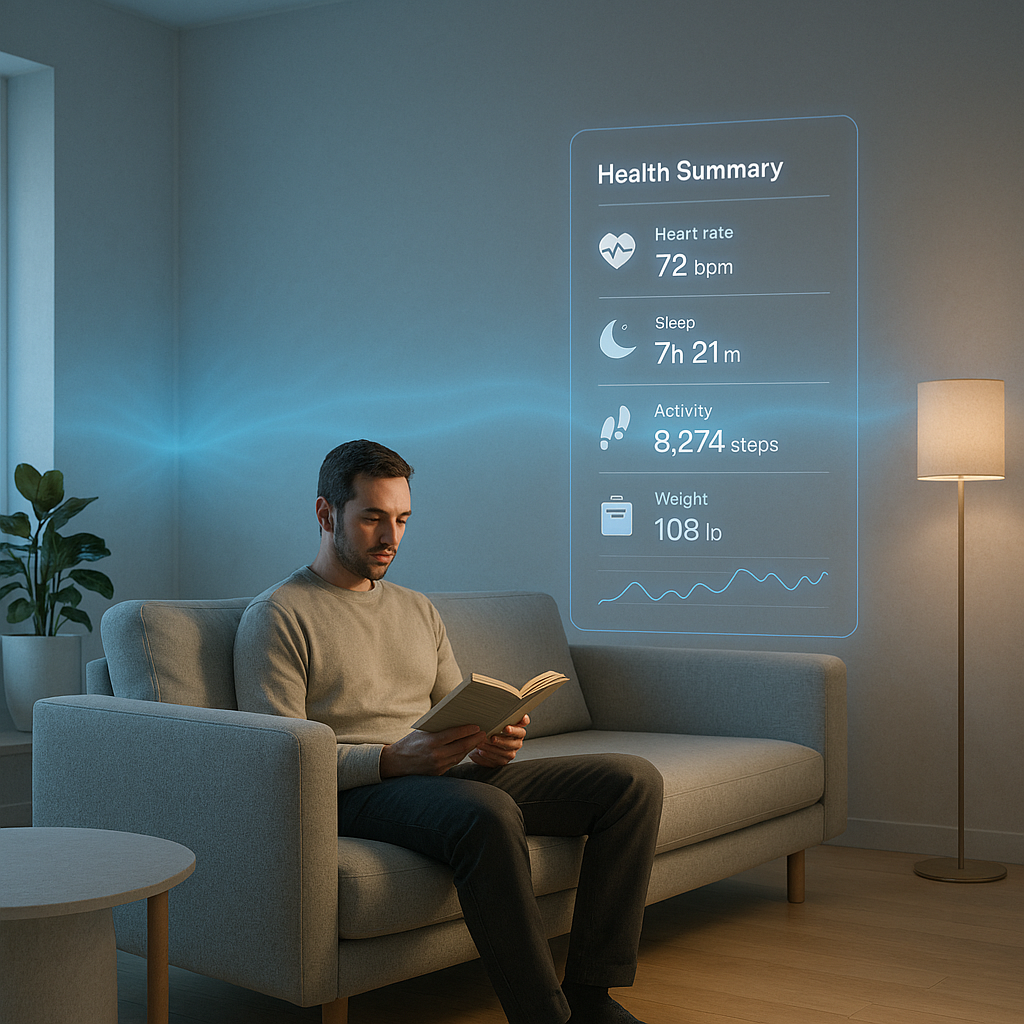
Our bodies weren’t evolved to stare at blue light for 12 hours. The 2026 lifestyle demands proactive biological maintenance:
- Circadian Lighting: Use smart bulbs that mimic the natural sun cycle to protect your sleep.
- The 20-20-20 Rule: Every 20 minutes, look at something 20 feet away for 20 seconds to prevent digital eye strain.
- Movement Integration: Use standing desks or “walking meetings” to ensure digital productivity doesn’t kill your physical health.
6. The “Second Brain” Concept: Externalizing Information
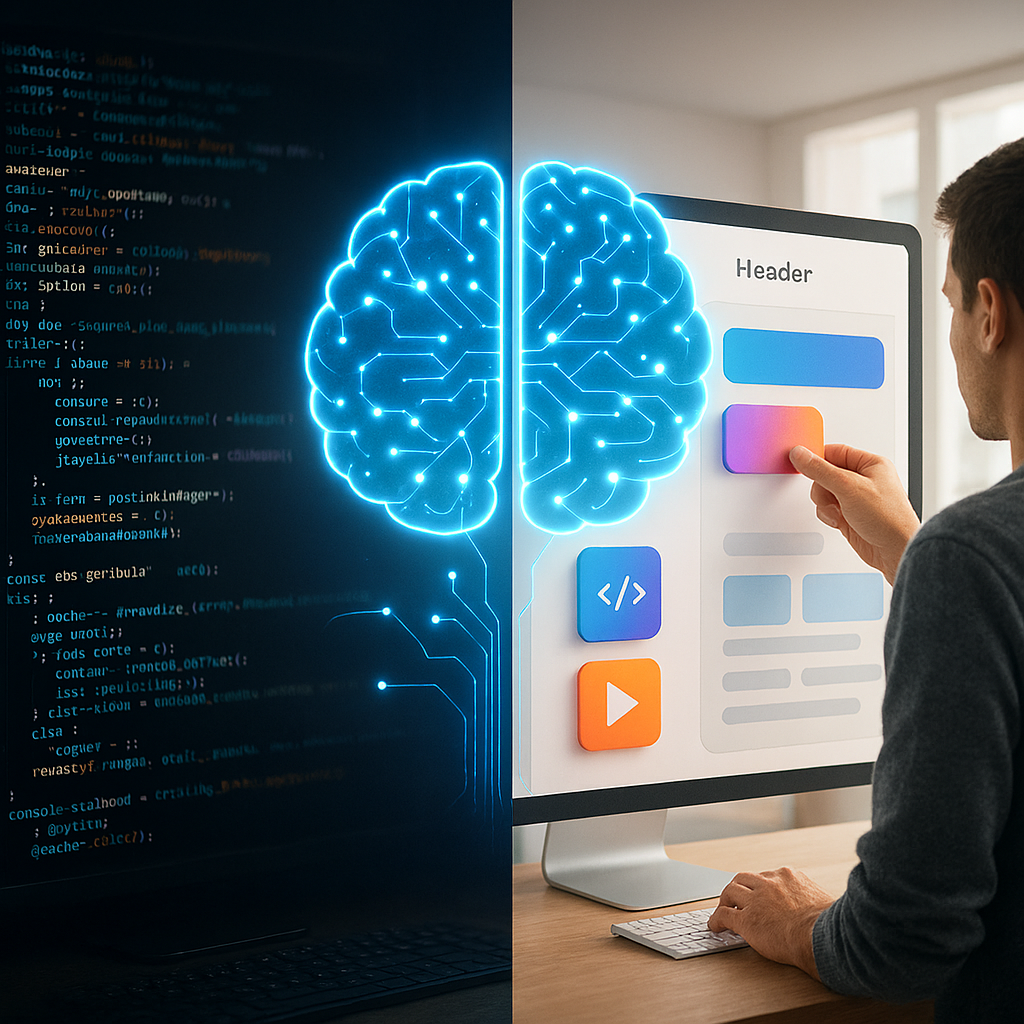
You don’t need to remember everything. Trying to do so causes Cognitive Load that slows you down. Digital minimalists use a “Second Brain” (tools like Notion or specialized AI notebooks) to store ideas and resources. When you know information is safely stored, your “First Brain” is free to do what it does best: Think and Create.
7. Intentional Boredom: The Seed of Creativity
One of the biggest losses in the smartphone era is Boredom. We use every spare second—waiting for a lift or standing in line—to check our phones. But boredom is where the brain processes information and generates new ideas. By filling every gap with digital noise, we are killing our creativity. Embrace the quiet.
Conclusion: You are the Architect
The technology of 2026 is a powerful servant but a terrible master. Digital minimalism is about the freedom to focus on your business, connect with your family, and think for yourself.
As you build your digital life, remember that you are the architect. By setting boundaries and prioritizing the human experience, you can enjoy the benefits of the modern world without losing your soul to the algorithm.