

The digital landscape is shifting beneath our feet. As we move deeper into 2026, the battle between cybersecurity professionals and cybercriminals has entered a new phase: The AI Era. At Bilanly.com, we believe that understanding this evolution is not just for engineers—it’s a necessity for every business owner.
The Double-Edged Sword of AI
Artificial Intelligence is a powerful tool for defense, but it is also being weaponized by hackers. To stay ahead, we must understand how both sides are using this technology.
1. AI as a Defensive Shield
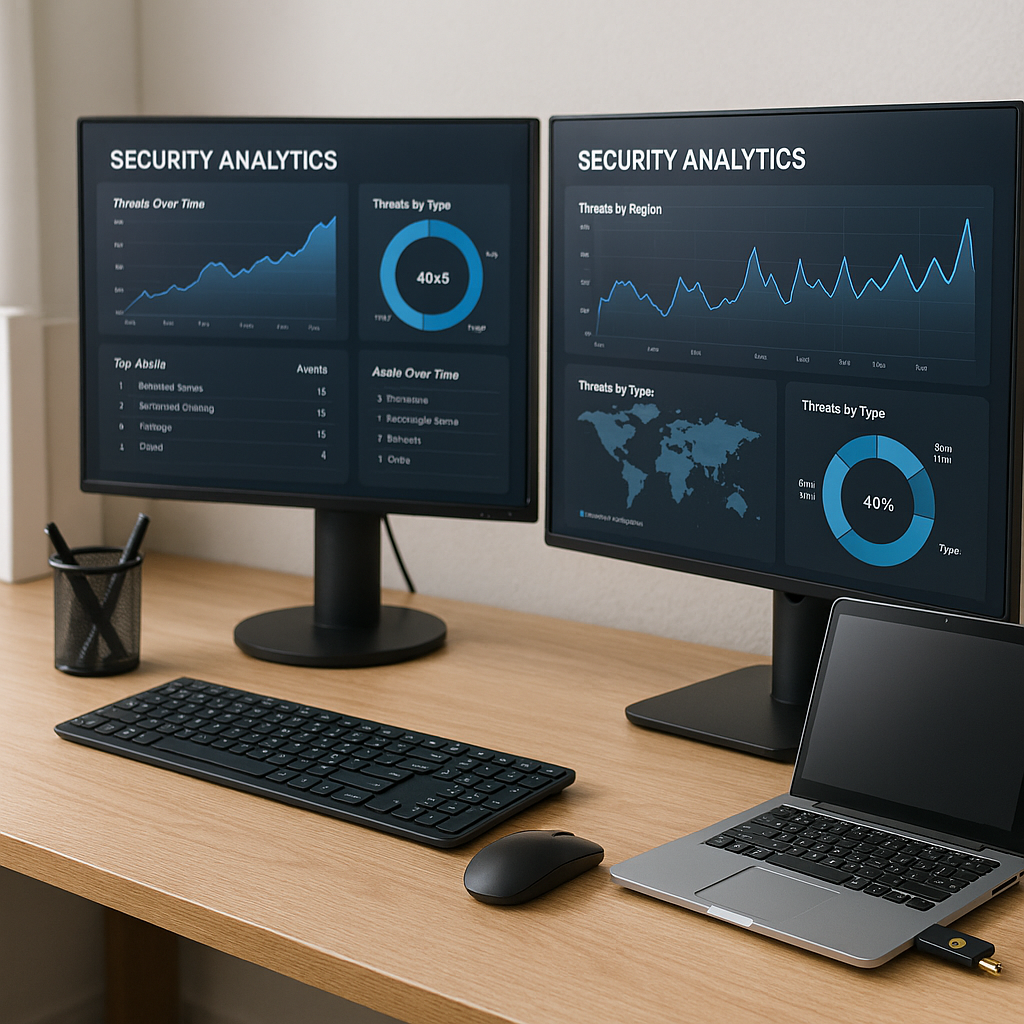
For cybersecurity engineers, AI is a “force multiplier.” It allows us to monitor networks at a scale that was previously impossible.
- Automated Threat Detection: AI algorithms can analyze millions of data points per second to identify patterns that suggest a breach is occurring.
- Behavioral Biometrics: Instead of just relying on passwords, AI monitors how a user interacts with a device (typing speed, mouse movements) to ensure they are who they say they are.
- Self-Healing Networks: Modern security systems can now automatically “patch” or close a vulnerability the moment it is detected, without waiting for a human engineer to intervene.
2. The Rise of AI-Powered Attacks
On the flip side, hackers are using AI to make their attacks more sophisticated and harder to detect.
- AI-Enhanced Phishing: Hackers use Large Language Models (LLMs) to create perfect, personalized emails that look 100% legitimate, making it easier to trick employees.
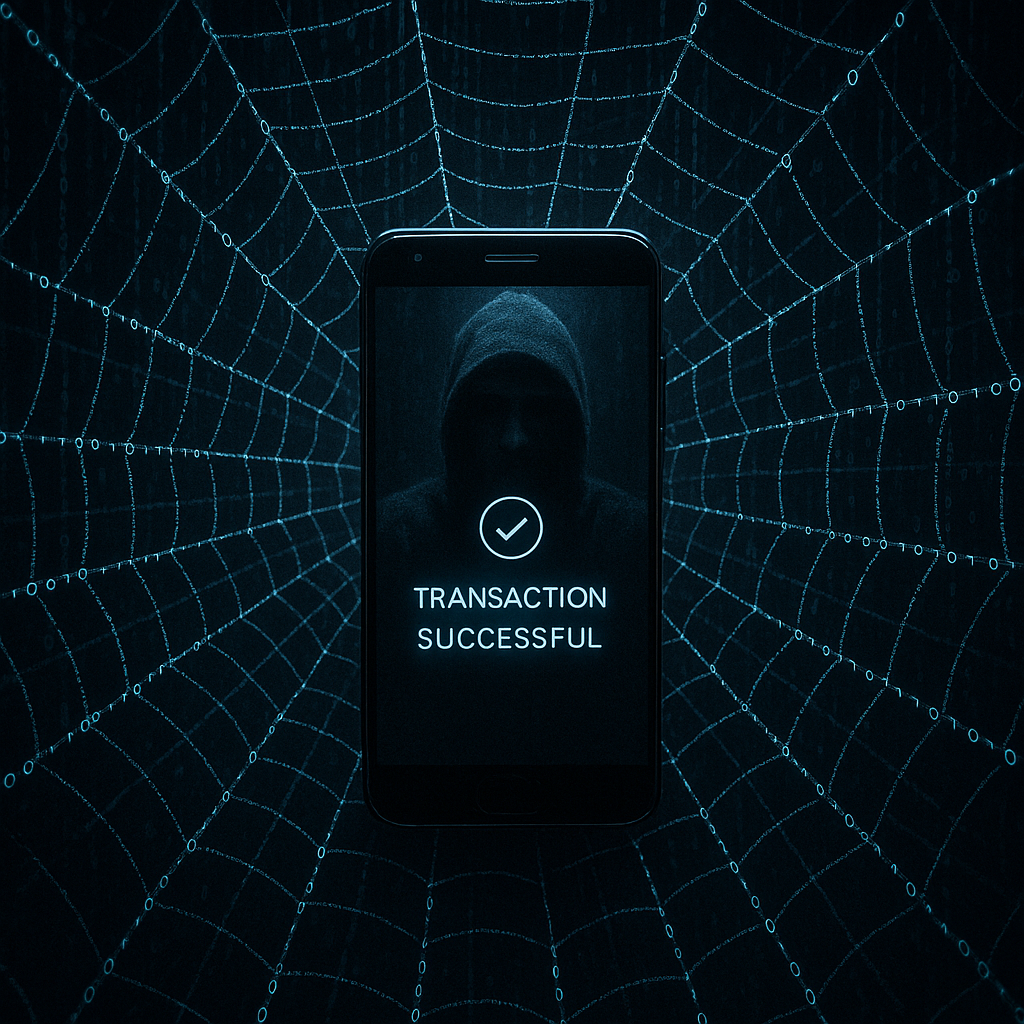
- Deepfakes in Social Engineering: We are seeing an increase in voice and video deepfakes used to impersonate CEOs or high-level executives to authorize fraudulent transfers.
- Automated Malware: AI can now help malware “evolve” to bypass traditional antivirus software by changing its code slightly every time it encounters a defense.
3. The “Zero Trust” Solution
In 2026, the old method of “trust but verify” is dead. The new gold standard is Zero Trust Architecture. AI is the backbone of Zero Trust. It ensures that every single request for access—whether it comes from inside or outside the network—is continuously verified based on context, location, and device health.
Conclusion: The Human-AI Partnership
While AI provides the speed, human expertise provides the strategy. As an engineer, my role at Bilanly is to ensure that these advanced tools are implemented correctly to protect your digital assets.
Is your business ready for the AI threat landscape of 2026? Stay tuned to Bilanly.com for the latest security protocols and AI implementations