

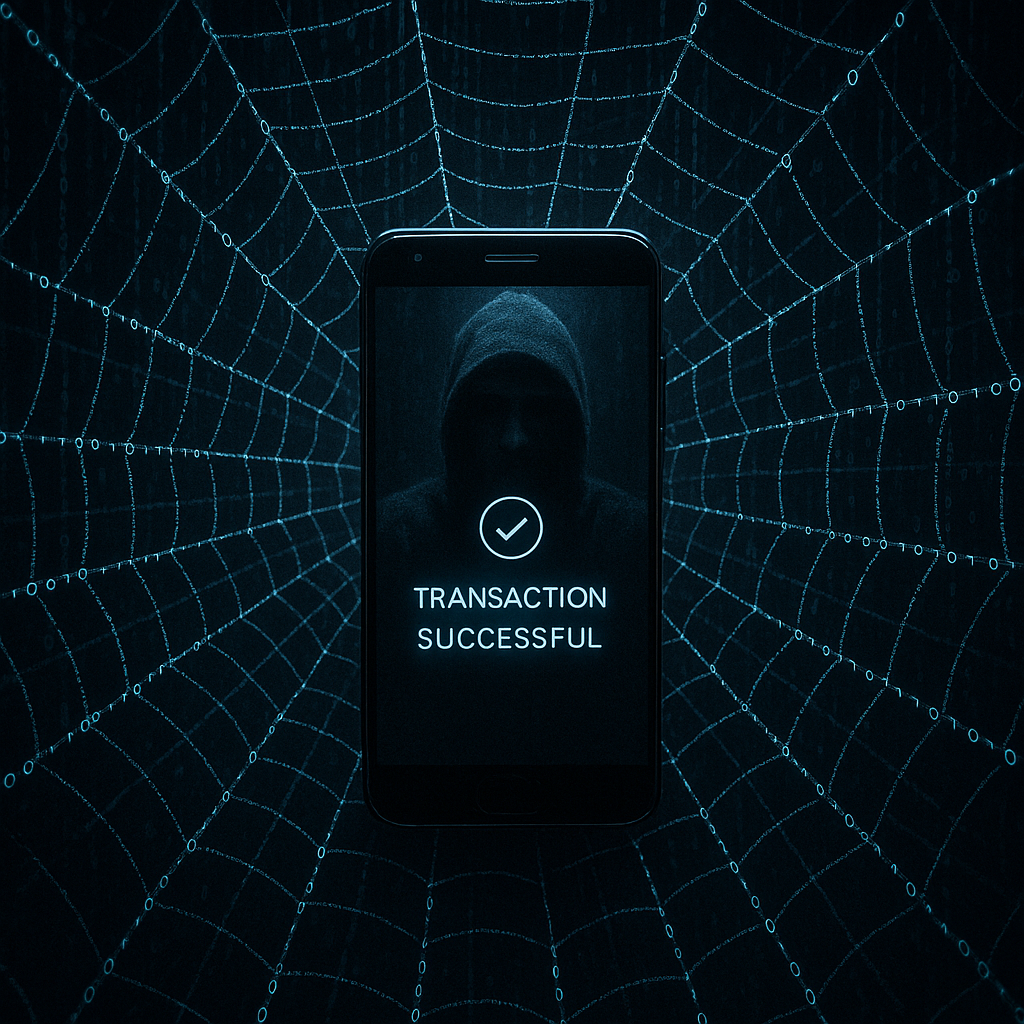
The Ultimate Protection Guide Against Digital Theft
Introduction: The Dark Side of Innovation
As we navigate through 2026, the internet has become the primary hub for our finances, social lives, and careers. However, this connectivity has brought about a more sinister evolution: Hyper-Sophisticated Online Fraud. At Bilanly, we’ve seen that the same AI tools that help businesses scale are now being used by cybercriminals to craft scams that are nearly indistinguishable from reality.
Digital fraud in 2026 is no longer about poorly spelled emails; it is about Autonomous Scam Agents, Deepfake Impersonations, and Psychological Manipulation. This 1,500-word guide is designed to be your shield against the evolving tactics of 2026’s digital predators.
1. The Rise of AI-Powered “Human-Like” Scams
The biggest shift in 2026 is the disappearance of “obvious” red flags. Fraudsters now use Large Language Models (LLMs) to generate hyper-personalized messages that mimic the writing style of your bank, your boss, or even your family members.
- Contextual Phishing: In 2026, AI bots scan your LinkedIn or social media to mention real projects you are working on, making their “malicious links” look like legitimate document shares.
- Deepfake Voice & Video (Vishing): This is the most dangerous trend. Scammers can now clone a person’s voice with just 3 seconds of audio. You might receive a call that sounds exactly like your manager asking for an urgent “EVC Plus” or “Sahal” transfer for a business emergency.
2. Mobile Money Fraud: Protecting EVC Plus, Sahal, and Beyond
For our community in Somalia and the Horn of Africa, mobile money is the lifeblood of the economy. In 2026, scammers have moved away from simple “wrong number” calls to more complex technical deceptions.
Common 2026 Mobile Scams:
- Sim-Swap 2.0: Scammers use AI-generated IDs to trick telecom agents into porting your number to their SIM card, giving them full access to your mobile wallet.
- Fake Merchant Requests: You receive a prompt on your phone to “Enter PIN” for a purchase you didn’t make, disguised as a routine system update or a prize delivery.
- The “Accidental Deposit” Trap: A scammer sends you a fake SMS that looks like a deposit confirmation, then calls you crying, asking you to “return” the money.
3. Investment & Cryptocurrency Scams: The “Truman Show” Strategy
With the global economy shifting toward digital assets, 2026 has seen the rise of Autonomous Investment Groups.
- AI-Generated “Experts”: Scammers use AI avatars to create fake YouTube channels and Telegram groups where hundreds of “bot members” claim to have made millions.
- The “Liquidity” Trap: You are invited to invest in a new token or a “Halal” investment scheme. You see your balance growing daily on a fake app, but when you try to withdraw, the app demands a “tax fee” or simply disappears.
4. E-commerce Fraud: The “Phantom Store” Epidemic
In 2026, setting up a professional-looking online store takes minutes using AI. Scammers create Phantom Stores that advertise high-end electronics or luxury goods at 50% discounts.
- The Bait: They use “H-Certified” (Human-Created) badges and fake verified reviews to build trust.
- The Switch: Once you pay, the site vanishes, or you receive a low-quality counterfeit item. At Bilanly, we always recommend using escrow services or verifying the site’s “Veracity Badge” in the browser.
5. Social Engineering: The “Truth Decay” Effect
Cybercriminals in 2026 don’t just hack computers; they hack humans.
- Romance Scams (AI-Driven): AI personas can maintain conversations for months, building deep emotional bonds before asking for “emergency help” with medical bills or travel costs.
- Emergency Pretexting: A “government official” or “police officer” (cloned via deepfake) contacts you claiming your relative is in trouble and requires an immediate fine payment via digital currency.
6. The “Human Firewall”: How to Protect Yourself in 2026
Since hackers now use AI to bypass technical filters, Your Awareness is the ultimate defense.
The Bilanly Security Protocol:
- Establish a “Safe Word”: With your family and key business partners, have a secret word or phrase. If someone calls asking for money, ask for the safe word to verify it’s really them.
- Verify Out-of-Band: If you get an urgent request from your bank or boss, hang up and call them back using a known, trusted number—not the one that called you.
- Use Hardware Keys: In 2026, SMS-based 2FA is no longer enough. Use physical security keys (like YubiKey) for your most important accounts.
- Zero-Trust Mindset: If an offer seems too good to be true (like a 20% weekly return on investment), it is a scam.
7. What to Do if You’ve Been Scammed
If you fall victim to a scam in 2026, every second counts:
- Contact Your Bank/Telecom Immediately: Freeze your accounts to prevent further withdrawals.
- Report to Authorities: In Somalia, report to the relevant cybercrime units or telecom security departments.
- Change All Passwords: Assume your other accounts are compromised and update your security settings immediately.
Conclusion: Staying Vigilant in the AI Era
Online fraud in 2026 is a multi-billion dollar industry. While the tools of the scammers have improved, so have our tools for defense. By staying informed through Bilanly, maintaining a “Zero-Trust” attitude, and prioritizing your digital hygiene, you can enjoy the benefits of the digital age without becoming a statistic.
Remember: In 2026, trust is something you earn, not something you give away freely on a screen.