
Introduction: The End of the “Digital Fortress”
In the early 2020s, cybersecurity was often compared to a castle: you built a high wall (firewall), dug a moat (antivirus), and assumed everyone inside the castle was safe. However, as we navigate the complex digital landscape of 2026, the castle has collapsed. Your employees are working from cafes in Bosaso, your servers are in the cloud in Dublin, and your data is accessed via mobile devices in Dubai.
The traditional security model is dead. In its place, the Zero-Trust Revolution has emerged. This is not just a software update; it is a fundamental shift in how we protect our intellectual property, financial assets, and customer trust. In this guide, we will explore the pillars of Zero-Trust and how your business can thrive in an age of AI-driven threats.
1. The Core Philosophy: “Never Trust, Always Verify”
The “Zero-Trust” model operates on a radical but necessary premise: No user or device is trusted by default. In 2026, the location of a user (whether they are in your office or at home) no longer grants them automatic access to your network.
The Three Pillars of Zero-Trust:
- Verify Explicitly: Every access request is authenticated based on identity, location, device health, and service type.
- Least Privilege Access: Users only get access to the specific files they need for their task—nothing more. If a designer doesn’t need the payroll files, they simply don’t see them.
- Assume Breach: We operate as if a hacker is already inside. This forces us to segment our data into “micro-perimeters,” so even if one part is hacked, the rest of the business remains safe.
2. The Identity Layer: Beyond the Password
In 2026, the “password” is considered a legacy vulnerability. AI-powered “brute-force” tools can now crack an 8-character password in milliseconds. To secure your business, you must move toward Identity-First Security.
- Passkeys & FIDO2 Standards: These use public-key cryptography to link your identity to a specific device. They are unphishable and don’t require you to remember anything.
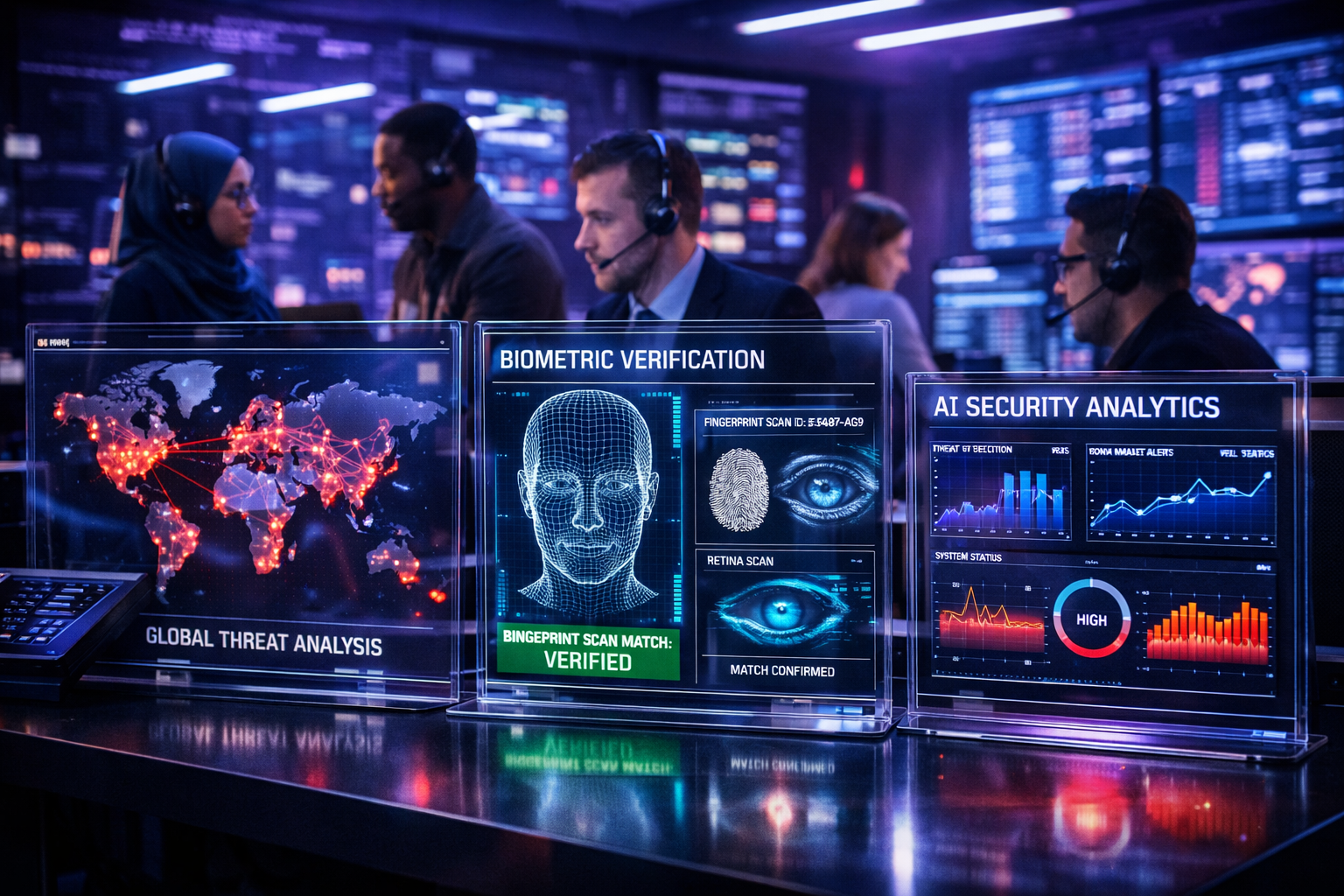
- Biometric Multi-Factor Authentication (MFA): Utilizing FaceID or Fingerprint scans as a secondary layer is now the minimum standard for any business app.
- Hardware Security Keys (YubiKeys): For high-level admins, a physical USB or NFC key is the only way to ensure 100% protection against remote hacking.
3. AI vs. AI: The Battle for Network Integrity
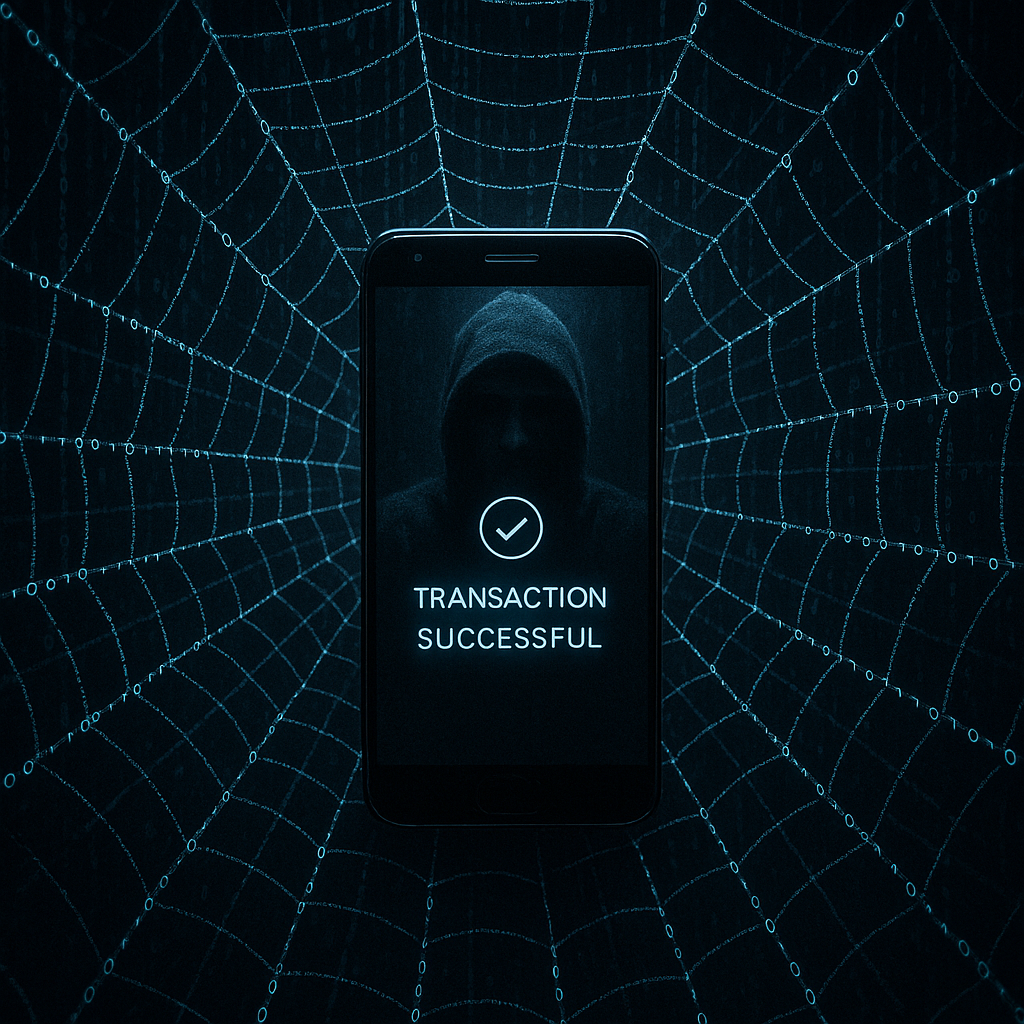
The most significant change in 2026 is the use of Generative AI in cyberattacks. Hackers now use AI to create perfect deepfake voices of CEOs to authorize wire transfers. To counter this, businesses must utilize AI-Driven Defense Systems.
How AI Protects Your Business:
- Behavioral Analytics: If an employee typically logs in from Hargeisa at 9 AM but suddenly tries to access the database from Eastern Europe at 3 AM, the AI detects the anomaly and locks the account within seconds.
- Automated Incident Response: In 2026, we don’t wait for a human IT person to wake up. Automated tools can isolate a compromised laptop from the rest of the network the moment malware is detected.
4. Securing the Remote Workspace
The “Work from Anywhere” model of 2026 brings its own set of risks. Public Wi-Fi is a playground for “Man-in-the-Middle” attacks.
- Managed VPNs (Virtual Private Networks): Using a professional, “No-Logs” VPN is non-negotiable for remote teams. It creates an encrypted tunnel for your business data.
- Endpoint Protection: Every laptop, tablet, and phone used for work must be managed. If a device is stolen, the business must have the ability to “Remote Wipe” the sensitive data immediately.
- Segmented Home Networks: We now advise tech teams to put their smart home devices (IoT) on a separate guest network to prevent a hacked “smart fridge” from giving a hacker access to their work laptop.
5. Why Small and Medium Enterprises (SMEs) are the Primary Targets
A common myth in 2026 is: “I am too small for a hacker to care about.” In reality, SMEs are the “sweet spot” for cybercriminals. Why? Because they often have valuable data but lack the massive security budgets of global corporations.
The Cost of Neglect:
- Ransomware: Hackers encrypt your files and demand payment in Bitcoin. For a small business, this often leads to permanent closure.
- Reputational Damage: Once customers know their data was leaked under your watch, regaining that trust takes years, if it happens at all.
- Legal Compliance: In 2026, data protection laws are becoming stricter globally. A breach could lead to massive government fines.
6. A Practical Roadmap for Implementation
You don’t need a million-dollar budget to start your Zero-Trust journey. Here is a step-by-step plan for your business today:
- Inventory Your Assets: You cannot protect what you don’t know you have. List every app, server, and device your team uses.
- Enable MFA Everywhere: This is the single most effective step you can take. If an app doesn’t offer MFA, stop using it.
- Update Your “Safe Word” Protocol: To fight deepfakes, establish a secret phrase with your team for any urgent financial or data requests.
- Quarterly Security Audits: Set a calendar reminder every three months to revoke access for former employees or unused apps.
Conclusion: Security as a Foundation for Growth
In the digital economy of 2026, cybersecurity is not a “cost center”—it is a competitive advantage. When you tell your clients that your business operates on a Zero-Trust model, you are telling them that their data is handled with the highest level of integrity.
The Zero-Trust revolution is not about living in fear; it is about building a resilient, agile, and trustworthy digital presence. As we move forward, the businesses that survive and thrive will be those that realize that in the digital world, the best defense is a proactive offense.